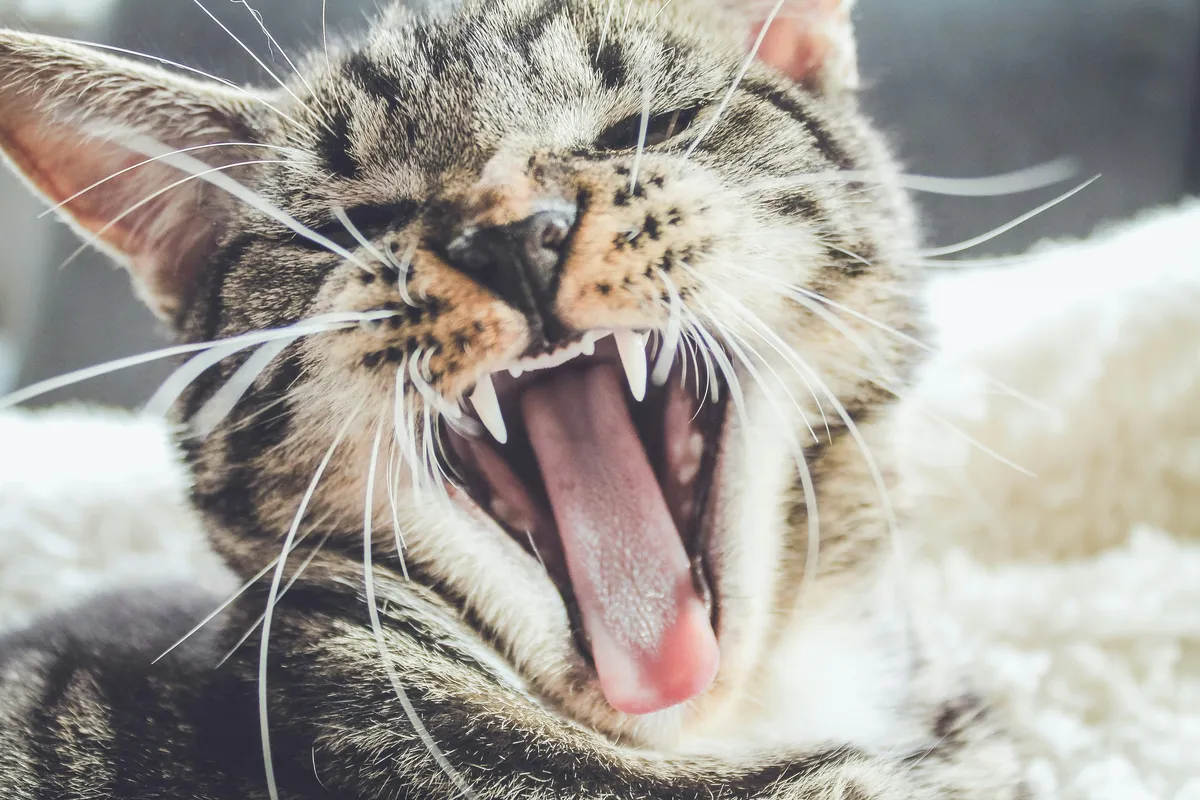
Cat Dental Health: The Care Guide Most Owners Skip
I am going to be honest with you: I ignored my cat’s teeth for the first two years we had her.
We were doing everything else right, or at least trying to. Vet checkups. High-quality food. Plenty of play. The works. But dental care? That was a blind spot. I figured cats in the wild don’t get their teeth brushed, so how big a deal could it really be?
Then our vet did a routine exam and gently informed me that Mochi had significant tartar buildup and early gingivitis, and would need a professional dental cleaning under anesthesia. The bill was not small.
I walked out of that vet’s office feeling like I’d failed a quiz I didn’t know I was taking.
Growing up in Flushing, Queens, cats were not exactly pampered pets. The neighborhood cats I knew were outdoor cats, bodega cats, cats my grandmother called “lucky cats” when they wandered through the alley behind her building. Nobody was brushing their teeth. My grandmother would have laughed herself out of the kitchen if you’d suggested it.
But our indoor cats are a different situation. They eat soft, processed food. They don’t have the bone-chewing lifestyle that naturally scrapes teeth clean. And they live much longer than outdoor cats, which means dental disease has more time to take hold. Learning this the hard way is, apparently, a rite of passage for new cat parents.
Here’s what I wish I’d known from day one.
Why Cat Dental Health Actually Matters
Dental disease is one of the most common health problems in cats. Studies suggest that somewhere between 70 and 85 percent of cats over the age of three have some degree of periodontal disease - that is, disease affecting the gums and the structures supporting the teeth.
And here’s the part that got me: most cats don’t act like anything is wrong. Remember from the signs-of-illness post that cats are evolutionary experts at hiding pain? The same applies here. A cat with a painful mouth will often keep eating, keep purring, keep doing cat things. They adapt. They cope. By the time you notice obvious symptoms - drooling, pawing at the mouth, refusing to eat - the disease has often been progressing for months or years.
Beyond the mouth itself, untreated dental disease can contribute to problems elsewhere in the body. Bacteria from infected gums can enter the bloodstream and have been linked to kidney disease and heart issues. This is not to send you into a spiral of anxiety - just to underline why this is worth taking seriously, not a vanity concern.
The main conditions to know about:
Periodontal disease is the most common. It starts with plaque - a film of bacteria that forms on teeth constantly. If plaque isn’t removed, it hardens into tartar, which irritates the gums and eventually leads to infection, tooth loosening, and bone loss. It’s painful and progressive.
Tooth resorption is a painful condition unique to cats (dogs get it too, but it’s especially common in cats) where the body essentially starts breaking down the structure of the tooth from the inside. It’s not fully understood why it happens, but it affects a significant number of adult cats and requires tooth extraction to treat.
Stomatitis is severe inflammation of the mouth and gums. Cats with stomatitis are clearly in pain - they may drool, have terrible breath, and struggle to eat. It’s more complex to treat and often involves extensive dental work.
Spotting Early Warning Signs
You cannot examine your cat’s teeth the way a vet can, but you can do a basic home check once a month. Pick a calm moment, maybe after a play session when your cat is relaxed, and gently lift their lips to look at the teeth and gums.
Healthy gums should be pink, not bright red or pale. The teeth should be white to slightly off-white at the tips - a little yellowing near the gumline is normal but watch for heavy brown or gray tartar buildup. The gumline itself should be tight against the teeth, not puffy or receding.
Red flags to take to the vet:
- Bad breath that is noticeably worse than usual (some cat breath is just… cat breath, but a sudden dramatic change is a warning sign)
- Visible brown or yellow tartar, especially along the back teeth
- Red, swollen, or bleeding gums
- Drooling more than normal
- Pawing at the mouth
- Dropping food while eating or chewing only on one side
- Sudden food refusal or preference for very soft food
If you see any of the above, don’t wait. Book a vet appointment.
The Gold Standard: Brushing Your Cat’s Teeth
Yes, you can brush your cat’s teeth. Yes, you should. Yes, your cat is going to look at you with complete disdain the first several times you try.
Daily brushing is ideal - it’s the most effective way to prevent plaque buildup before it hardens into tartar. Every other day is still meaningful. Once a week is better than never.
A few things you absolutely need to know before you start:
Never use human toothpaste. Fluoride is toxic to cats. Most human toothpaste contains fluoride, xylitol, or other ingredients that are dangerous for cats to swallow. Use only toothpaste specifically formulated for cats - most are flavored like chicken or fish and cats actually like the taste, which helps enormously.
You don’t need a regular toothbrush. A finger brush - basically a little silicone cap that fits over your fingertip - is often easier for beginners and less threatening to the cat. Some cats also tolerate a small child’s soft toothbrush. Use whatever gets the job done.
How to Actually Do This Without Losing Fingers
Start slow. Like, embarrassingly slow. Don’t attempt to brush anything on day one.
Week one: Just touch your cat’s mouth area during cuddle time. Touch the cheeks, lift the lips gently, let them sniff your finger. Give treats. End on a positive note.
Week two: Put a tiny bit of cat toothpaste on your finger and let your cat lick it off. They should love it. This is building positive associations.
Week three: Start rubbing the outside of the front teeth with your finger or a gauze pad. Don’t go all the way back yet. Keep it short - five to ten seconds. Treats, praise.
Week four and beyond: Gradually add more teeth, working toward the back molars, which is where most of the plaque damage happens. Build up to about 30 seconds per side.
The key is to never force it. If your cat is stressed or struggling, stop. Go back a step. A traumatic brushing session will set you back weeks. You want your cat to at least tolerate this, ideally to kind of not mind it. Aim low. Celebrate small wins.
My daughter, who was six at the time, was the one who finally figured out that Mochi would sit still for tooth brushing only if we made it into a whole little routine - same spot on the bathroom counter, same fish-flavored toothpaste, immediate treat afterward. Kids are sometimes smarter about this stuff than we are.
When Brushing Just Isn’t Happening
Look, some cats will never tolerate brushing. I know people who have tried for a year and the cat absolutely refuses. That is okay. You’re not a failure. You just need a backup plan.
The Veterinary Oral Health Council (VOHC) evaluates dental products and awards a seal of acceptance to products that have been clinically tested to reduce plaque or tartar. Look for the VOHC seal when shopping for dental alternatives - it means the product actually does something, not just claims to.
Dental treats and chews: These work by mechanically scraping teeth as the cat chews, and many contain enzymes that inhibit bacteria. VOHC-accepted options include Greenies Feline Dental Treats, which are widely available. Not a replacement for brushing, but genuinely helpful as a supplement.
Dental diets: Prescription dental cat food (Hill’s t/d is the most common) has larger, denser kibble designed to scrub teeth on contact. Your vet can recommend whether this is appropriate for your cat.
Water additives: You add a measured amount to your cat’s water bowl daily. They contain enzymes that help break down plaque. Some cats are sensitive to taste changes in their water, so introduce slowly and watch that they’re still drinking normally.
Dental gels and rinses: Applied directly to the gums or teeth (without brushing), these contain enzymes and antibacterial ingredients. Some cats accept these better than brushing.
No single alternative matches the effectiveness of daily brushing, but combining a couple of these approaches gets you meaningfully closer. Ask your vet what they recommend for your specific cat.
Professional Dental Cleanings
Even with excellent home care, most cats will need professional dental cleanings at some point in their lives. For cats who haven’t had any home dental care, this becomes necessary sooner.
Professional cleanings require general anesthesia. I know that sounds scary - it was scary to me too - but it’s the only way to properly clean below the gumline, where most of the damage happens. A vet can also take dental X-rays under anesthesia to spot issues that aren’t visible to the naked eye.
The frequency depends on the individual cat. Some cats need annual cleanings. Others can go two or three years between cleanings with good home care. Your vet will advise based on what they see during checkups.
Yes, anesthetic procedures carry some risk. The risk for a healthy cat undergoing a routine dental cleaning is very low, and your vet will do bloodwork beforehand to check for any issues. The risk of untreated dental disease - pain, infection, organ damage - is significantly higher than the risk of the procedure.
The bill for Mochi’s first professional cleaning was a real number. I won’t pretend otherwise. But I also understood, after that experience, why it had gotten there. Starting home care early is genuinely the cheaper option in the long run.
Common Mistakes to Avoid
Starting too fast. Skipping the desensitization phase and jumping straight to brushing almost always backfires. The cat panics, you get scratched, nobody wins.
Using the wrong toothpaste. Worth repeating: human toothpaste can be toxic to cats. Don’t use it. Ever.
Only checking the front teeth. The back teeth - the premolars and molars - are where most tartar accumulates, because the tongue doesn’t reach them well. If you’re only doing the front incisors, you’re missing the high-stakes area.
Assuming dry food cleans teeth. This is one of the most persistent myths in cat care. Most dry cat food does not scrub teeth meaningfully. Cats tend to swallow kibble with minimal chewing, so the contact time with teeth is brief. Dry food may be fine for other reasons, but don’t count on it for dental health.
Skipping vet dental checkups. Even if you’re brushing regularly, annual vet exams should include a look at the teeth and gums. Your vet can catch things you can’t see, including early tooth resorption and gum recession.
Waiting for obvious symptoms. By the time a cat shows visible pain from dental disease, it’s often been progressing a long time. Preventive care - checkups plus home maintenance - is far better than reactive treatment.
Building Your Dental Routine
Starting from scratch, here’s a realistic approach:
In the first month, introduce tooth touching gradually, using the week-by-week approach above. While you’re at it, take a look in your cat’s mouth during a calm moment and do a quick gum-color and tartar check.
Pick up cat toothpaste, a finger brush, and a bag of VOHC-approved dental treats. The toothpaste and brush are your primary tools. The treats are backup and rewards.
During your next vet visit (ideally within the next six months if you haven’t gone recently), ask for a dental evaluation. If there’s already significant tartar or gingivitis, a professional cleaning first will give you a cleaner slate for home maintenance.
Then just make it a routine. We do Mochi’s teeth most evenings after dinner, part of the same loose wind-down that involves feeding, scooping the litter box, and whoever’s turn it is to do the dishes arguing about whether they already did it yesterday. It takes under a minute. The cat has opinions about it. But she tolerates it, and her follow-up vet check was a lot better than that first one.
What to Do Next
If you haven’t had your cat’s teeth professionally evaluated, that’s the first step. Ask your vet to include a dental assessment at your next checkup. From there, start the desensitization process for home brushing, and pick up some VOHC-approved dental treats to use in the meantime.
If your cat is already showing any of the warning signs above - bad breath, visible tartar, gum changes, trouble eating - don’t wait for the next scheduled visit. Book an appointment now.
Dental care is one of those things that feels optional until suddenly it very much isn’t. Start earlier than I did. Your cat’s mouth - and your future vet bills - will thank you.